
Documented information in ISO standards
ISO 9001, ISO 14001 and ISO 45001 share the same structure and require the management of what is known as documented information. In other words, the organisation must control the creation, approval, distribution, access, retention and change of management system documents and records.
A digital platform makes it easier to meet these requirements. For example, it ensures that only the approved version is available, records who made each change and protects records against loss. As a result, going paperless directly supports the certification and upkeep of integrated quality, environment and safety systems.
A phased plan for paperless document management
- Inventory: identify documents, records, owners and current formats;
- Priorities: start with the most used or highest risk documents, such as procedures and risk assessments;
- Structure: define folders, codes, metadata and approval workflows;
- Scanning: convert paper documents that remain valid;
- Training: prepare users to work only on the platform;
- Phasing out paper: withdraw physical copies from circulation and decide what happens to the old archive.
Practical example: An integrated system in manufacturing
Imagine a manufacturer certified for quality, environment and safety, with hundreds of procedures, instructions and paper records scattered across several departments. Before each audit, the team spent weeks checking whether the copies in use were the approved versions.
Once the company goes paperless, all documents sit on a single platform, with electronic approval and version control. In addition, inspection and training records are completed directly in digital forms. As a result, audit preparation takes days instead of weeks, and outdated copies disappear from the shop floor.
Indicators to track the move to paperless
To find out whether going paperless is delivering results, it is worth tracking a few indicators from the outset. For example, useful indicators include the percentage of documents already managed on the platform, the average approval time for a procedure and the number of audit nonconformities linked to outdated documents. Furthermore, the reduction in printing and physical archive space shows the environmental impact of the project. In this way, management can assess the return on investment and decide on next steps based on hard data.
Frequently asked questions
Do scanned documents have the same value as the originals?
It depends on the type of document and the legal requirements. For most management system documents, the controlled digital version is sufficient. However, some documents may require the original to be kept or a qualified signature.
Can field records be kept in digital format?
Yes. Forms on a tablet or mobile phone let you record inspections, checks and incidents on site, with the date, time and photos. Consequently, the information is immediately available on the platform.
How can you make sure document history is not lost?
The platform should keep every version and record who approved each change. In addition, the company should set retention periods in a dedicated policy, approved by management and reviewed every year. Find out more about the document history policy and about management system standards on the ISO website.
Implementing digital document management platforms allows companies to centralise data effectively, which makes it easier to manage, share and audit critical documents. In quality, environmental and safety management, these systems ensure that all employees have access to up-to-date information that complies with applicable regulations. However, to make this transition a success, it is necessary to understand the features, benefits and challenges of paperless document management.
Benefits of paperless documents in critical areas
Quality management
In quality management, going paperless offers several advantages. First of all, it allows tighter control of processes and procedures, since every version of each document is stored centrally and can be audited easily. Employees therefore always access the latest version of each document, which prevents errors and ensures that all procedures are up to date with ISO standards and other quality frameworks.
Being able to record changes and approvals directly on the platform also ensures greater transparency and accountability among users. Likewise, the platforms offer deadline monitoring tools, so managers can follow up corrective and preventive actions more effectively.
Environmental management
Going paperless also plays a key role in a company’s environmental management. With growing attention to sustainable practices, eliminating physical documents directly reduces paper waste and helps shrink an organisation’s environmental footprint. In addition, digital platforms make it easier to track environmental performance data and help companies meet environmental regulations and sustainability targets.
Digital document management in environmental areas allows more detailed tracking of environmental performance indicators, such as carbon emissions, energy consumption and waste management. Moreover, centralised and accessible data leads to more accurate environmental reports, which can be sent efficiently to regulators.
Occupational health and safety
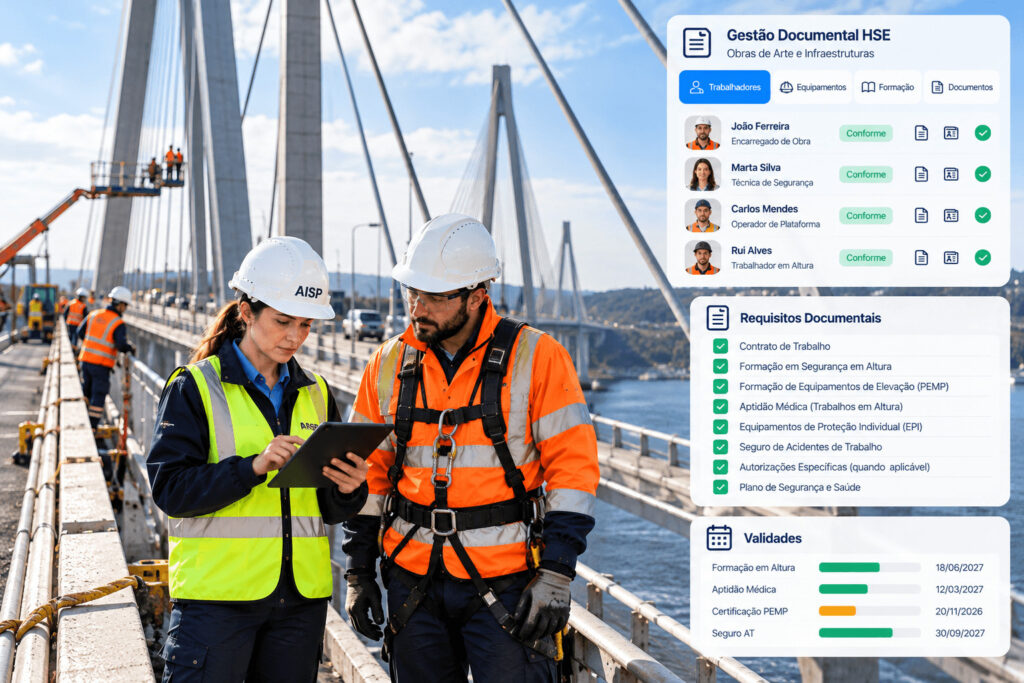
Going paperless with occupational safety documents provides greater assurance of compliance with current legislation. Digital platforms allow safety documents, such as risk assessments, emergency plans and safety training records, to be organised, updated and shared efficiently among employees.
Furthermore, these platforms include features that flag when safety procedures or mandatory training need updating, so that employees are always informed and prepared to face the risks inherent in their workplace. Digitalisation also reduces the likelihood of human error and document management failures, which is crucial to keeping everyone safe.
Challenges and solutions when going paperless
Although going paperless offers numerous benefits, implementing it is not without challenges. Moving from paper-based processes to digital systems may meet resistance from employees, especially those used to traditional document management methods. In this context, it is essential to invest in training and provide ongoing support to ensure a smooth transition.
Another significant challenge is the need to keep data secure. With digitalisation, protection against unauthorised access, data loss and cyberattacks becomes a priority. For this reason, document management platforms must implement data encryption, multi-factor authentication and regular backups. Compliance with regulations such as the GDPR (General Data Protection Regulation) is equally important to protect confidential information.
On the other hand, the initial cost of implementing a digital platform can be a barrier for some companies. However, the long-term benefits, such as lower operating costs and greater efficiency, usually outweigh the initial investment. Companies should therefore carefully weigh up the costs and benefits when planning to take their document management paperless.
Technology tools for going paperless
There are several technology solutions on the market that make paperless document management easier. These platforms offer features such as scanning of physical documents, centralised file organisation and workflow automation. In addition, they allow documents to be shared between departments, ensuring that everyone involved has access to the right information at the right time.
Choosing the right platform depends on each organisation’s specific needs. Some platforms offer advanced security and audit features, while others may focus more on ease of use and integration with existing systems. The flexibility of these solutions therefore allows companies to adopt the system that best suits their document volume and operational complexity.
Conclusion
Paperless document management in quality, environment and safety is a strategic step for any organisation that wants to modernise its processes, improve efficiency and reduce costs. By adopting digital platforms, companies not only optimise internal document management but also ensure compliance with applicable standards and regulations and increase transparency among employees.
In addition, digitalisation promotes a more sustainable approach by reducing the use of physical resources and minimising environmental impact. Although there are challenges in implementing these solutions, such as employee adaptation and data protection, the benefits far outweigh the initial difficulties. With the right platform and proper planning, paperless document management can bring significant competitive advantages to any company.