
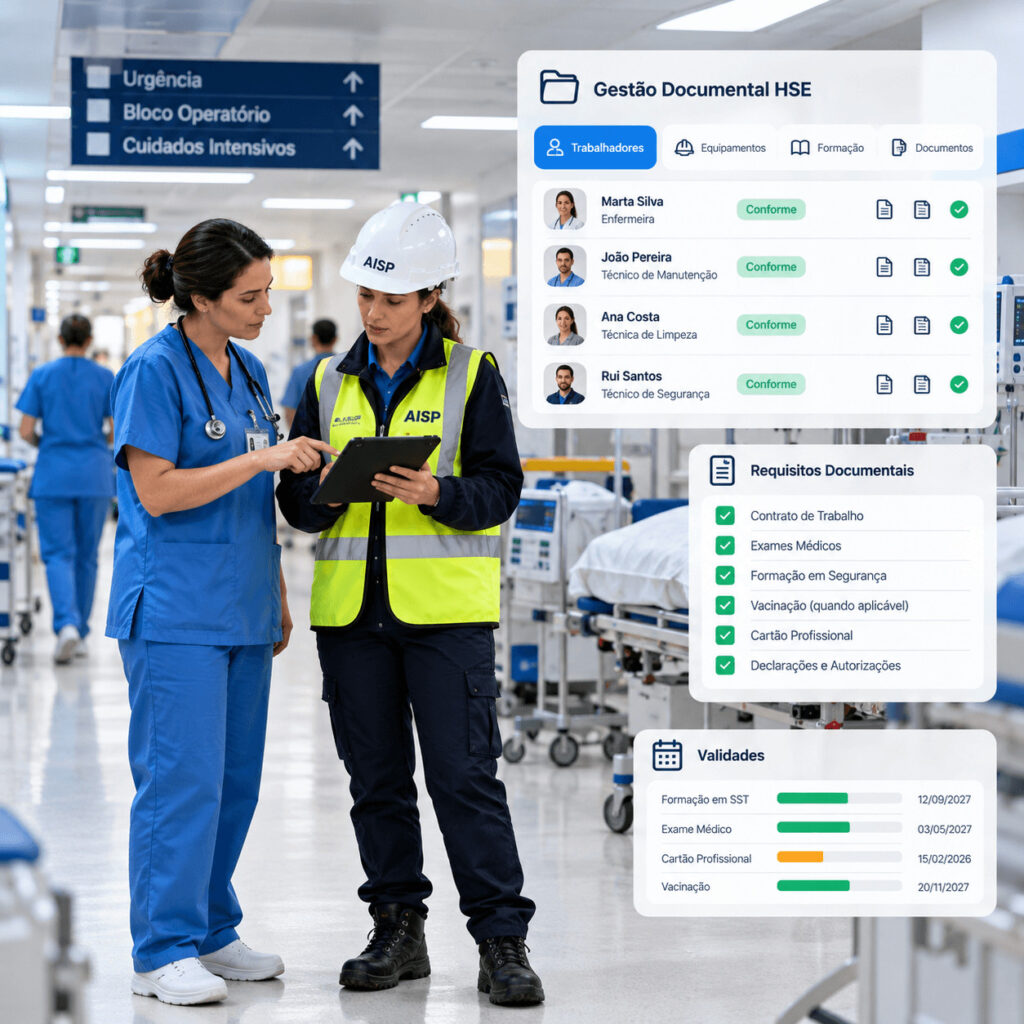
Efficient document management is vital to the competitiveness and sustainability of organisations. With the growing volume of information that companies need to process every day, finding effective document management solutions has become essential. This is where document management platforms stand out. In this article, we explain what these platforms are, how they work and what benefits they offer companies.
What are document management platforms
Document management platforms are software systems designed to organise, store, protect and retrieve digital documents efficiently. They allow companies to centralise and automate the processes involved in the document lifecycle, from creation to archiving or disposal. In addition, these platforms aim to improve efficiency, security and regulatory compliance, while reducing operating costs and the risk of losing information.
How document management platforms work
Document management platforms combine several technologies and processes to ensure documents are managed effectively. The main components of these platforms are outlined below:
Document upload
Uploading documents is the first stage of the document management process. It involves scanning paper documents and importing digital documents into the platform. This can happen, for example, through scanners, email or integrations with other systems. The aim is to consolidate all documents in a single management system.
Indexing and classification
After capture, the platform indexes and classifies the documents based on predefined criteria, such as document type, date and author. This makes documents easier to organise and retrieve quickly, ensuring that information is always accessible.
Secure storage
Secure storage is fundamental to protecting documents against loss or unauthorised access. For this reason, document management platforms store documents in secure digital repositories, with encryption and other protection mechanisms. Depending on its needs, the company can store documents on local servers, in the cloud or in a hybrid solution.
Version control
In addition, document version control is a feature that makes it possible to track and manage different versions of a document. The platform therefore records every change to a document and allows earlier versions to be recovered if necessary.
Access management
Access management is also an essential feature for ensuring the security and confidentiality of documents. With it, companies can set specific access permissions, ensuring that only authorised people can view, edit or delete documents.
Workflow automation
Workflow or process automation is another important feature of document management platforms. It allows business processes, such as approvals and reviews, to be automated, which improves operational efficiency and reduces the time needed to complete tasks.
Retrieval and search
The ability to locate specific documents quickly is one of the most valuable features of a document management platform. With advanced search tools, users can find documents using keywords, dates, authors or other metadata, making it easier to retrieve relevant information.
Regulatory compliance and auditing
For companies operating in regulated sectors, compliance is a priority. Document management platforms offer features that help to ensure compliance with standards and regulations, including audit trails, version control and document retention for the legal periods.
Benefits of document management platforms
Document management platforms offer a range of benefits that help companies improve their efficiency, security and compliance. The main benefits of these solutions are outlined below, and we look at them in detail in our article on the benefits of digital document management.
Centralised, organised information
One of the main benefits of document management platforms is that all information is centralised in a single system, or in a system integrated with other internal systems. This reduces the need to keep physical archives or use scattered digital systems, which waste time and make documents hard to find. With centralised information, all authorised employees have quick and easy access to the documents they need.
Lower operating costs
In terms of cost, the digitisation and automation provided by document management platforms significantly reduce operating costs. By cutting physical document storage and the use of paper and office supplies, companies save resources. Moreover, process automation reduces the time employees spend on manual tasks, increasing efficiency.
Higher productivity
Employee productivity increases significantly when staff have quick and easy access to the documents they need. Search tools and process automation help to reduce the time spent on repetitive tasks, allowing employees to focus on higher-value activities.
Information security
Information security is a constant concern for companies. Document management platforms offer multiple layers of security, including encryption, user authentication and access permissions. These measures protect documents against unauthorised access, loss or theft, ensuring the confidentiality of information.
Compliance with standards and regulations
Document management platforms help companies meet legal requirements by offering features such as audit trails and version control. They also make audits easier and minimise the risk of fines for non-compliance.
Business continuity
In the event of disasters, such as fires, floods or system failures, document management platforms offer robust backup and recovery solutions. These solutions ensure documents can be recovered quickly, preserving business continuity and minimising the impact of unforeseen events.
Better collaboration
Document management platforms make collaboration between teams easier, allowing several users to access and work on documents at the same time. This feature is especially useful for companies with teams in several regions, as it allows all employees to work together effectively, wherever they are based.
Environmental sustainability
Finally, adopting document management platforms also contributes to environmental sustainability. By reducing the use of paper and other physical materials, companies can lower their environmental impact, promoting greener and more responsible practices. As well as benefiting the environment, this improves the company’s image with customers and partners.
Implementing a document management platform
Implementing a document management platform requires careful planning and choosing the right solution for the company’s specific needs. The main steps for a successful implementation are as follows:
Needs analysis
The first step in implementing a document management platform is to carry out a detailed analysis of the company’s needs. This includes identifying the types of documents to manage, the processes to automate and the regulatory requirements to meet.
Choosing the platform
Based on the needs identified, the company should choose a platform that offers the required features, is easy to use and can scale. Choosing the right platform is crucial to ensure the solution meets the company’s current and future needs.
Implementation planning
Next, implementation planning involves setting a timeline, allocating resources and assessing the impact on existing processes. It may include, for example, migrating documents from old systems to the new platform, integrating with other IT systems and preparing for change.
User training
User training is essential to ensure that all employees know how to use the new platform effectively. Good training covers the platform’s main features as well as good document management practice.
Monitoring and continuous improvement
After implementation, it is important to monitor how the platform is used and gather user feedback. This makes it possible to identify areas for improvement and make adjustments so that the platform continues to meet the company’s needs.
Practical example: Contractor management
Consider an industrial company with 300 contractors and thousands of documents relating to companies, workers and equipment. Before the platform, documents arrived by email, were stored in folders and the team tracked expiry dates in a spreadsheet. After implementation, however, contractors upload documents directly, the platform records expiry dates and sends alerts, and site access depends on document status. As a result, the team stops searching for documents and focuses on risk analysis instead.
Checklist for choosing a platform
- Features suited to the company’s processes.
- Proven security, for example with ISO/IEC 27001.
- GDPR-compliant data processing agreement.
- Data export guaranteed at the end of the contract.
- Training and support included.
To find out more: Main components of a document management plan.
Frequently asked questions
Is a document management platform suitable for small businesses?
Yes. As a rule, cloud solutions let you start with a few users and grow as your needs change, without large upfront investment.
Conclusion
Document management platforms are essential tools for companies that want to improve the efficiency, security and compliance of their document processes. Their benefits go beyond centralising and organising information: these platforms also reduce costs, increase productivity and protect business data. Finally, a well-planned and well-executed implementation not only optimises the company’s operations but also prepares it to grow and meet new demands.
For guidance on personal data protection in companies, consult the Portuguese data protection authority, CNPD.