
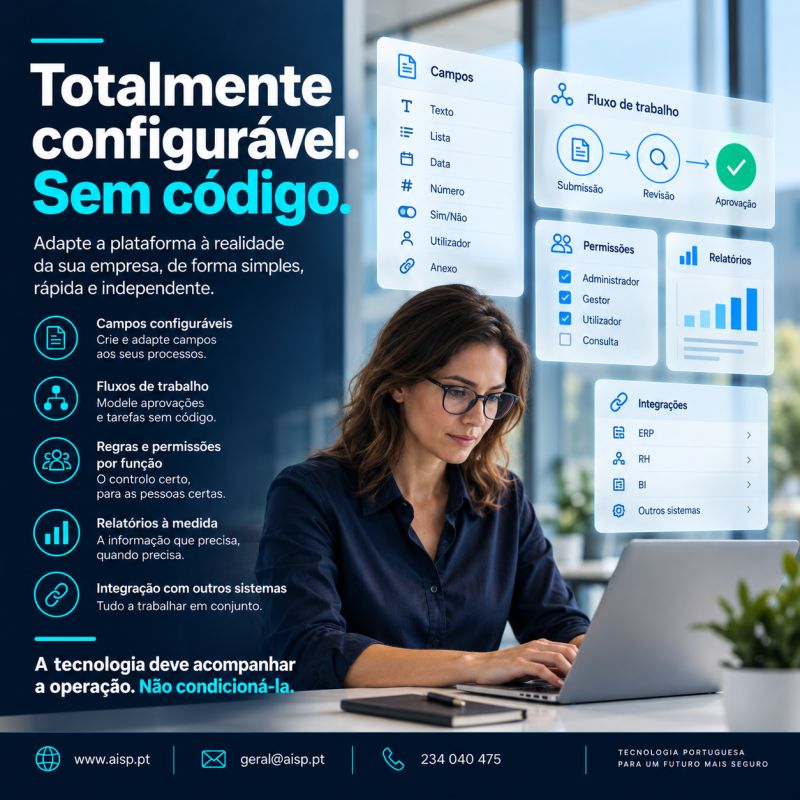
A platform can keep working and still no longer meet the needs of the organisation, which today require intelligent document management.
In fact, technology has evolved.
Processes have become more demanding.
In addition, teams need more autonomy.
Finally, information can no longer stay locked inside documents.
Signs that it is time to rethink document management
- Every change requires development
For example, changing a field, a workflow, a rule or a permission turns into a technical request, with costs and waiting times.
- Documents still require manual processing
Teams read information, copy it and enter it by hand into other systems, even when artificial intelligence could extract and structure it.
- The platform works in isolation from other systems
Information does not flow easily between document management, ERP, HSE platforms or other applications that the organisation uses.
- Every process requires a different tool
Documentation on one platform, inspections on another, non-conformities on a third and operational processes in yet another system.
As a result, the organisation ends up with scattered information and a fragmented view of operations.
- The platform does not keep up as the organisation evolves
New requirements, regions, languages or processes become hard to add without extra development projects.
Intelligent document management must do more than store documents
Therefore, it must be configurable.
Integrated.
Interoperable.
Ready for artificial intelligence.
And able to evolve with the organisation.
Because continuing to use an old platform may mean more than working with outdated technology.
In other words, it can mean keeping processes, dependencies and inefficiencies that should no longer exist.
Does your platform keep up as your organisation evolves?
See also: The new generation of document management platforms and A platform should not force a company to change the way it works.
You can also follow the European digital transformation strategy on the European Commission portal.