
Training on HSE platforms: Teaching features or teaching people to work?
Find out why training on HSE platforms should prepare each profile for real tasks, not just present features.

Knowledge · Digital transformation
Digital transformation is not about digitising documents. Instead, it means moving from paper, spreadsheets and emails to structured digital processes, with reliable data and clear rules.
In brief
The starting point is the process, not the tool: who does each task, with what information, and what decision results from it.
Identify current processes, waste, duplication and risks.
Remove the steps that no longer add value. Otherwise, digitising an old process keeps the same problems.
Processes that evolve without custom development. Connected systems, so that nobody has to enter the same information several times.
Prepare the teams and monitor usage, especially in the first few months.
Knowledge
Implementation, adoption and governance of HSE and document management platforms.
Find out why training on HSE platforms should prepare each profile for real tasks, not just present features.

Digitising an old process does not transform it. Find out how to simplify and integrate processes in an HSE implementation.

Find out why you should simplify HSE processes and make sure they work in operations before automating them.
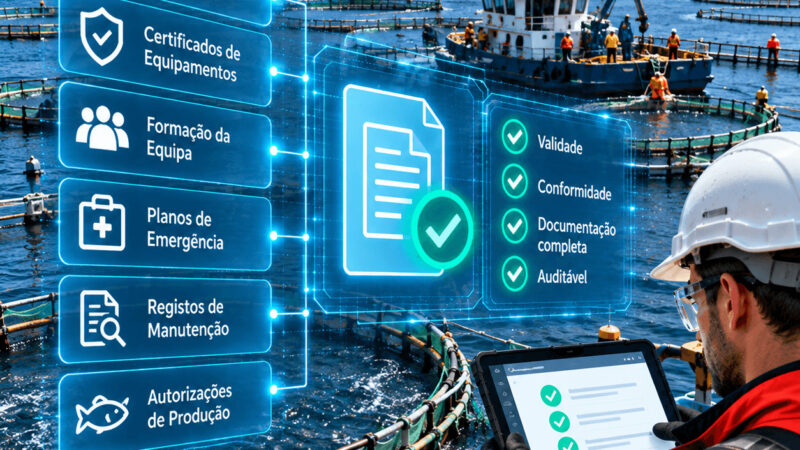
Find out why HSE indicators only have value when linked to operational context, risk, exposure and data quality.

Find out how HSE dashboards create value when they help identify risk, set priorities and turn data into action.
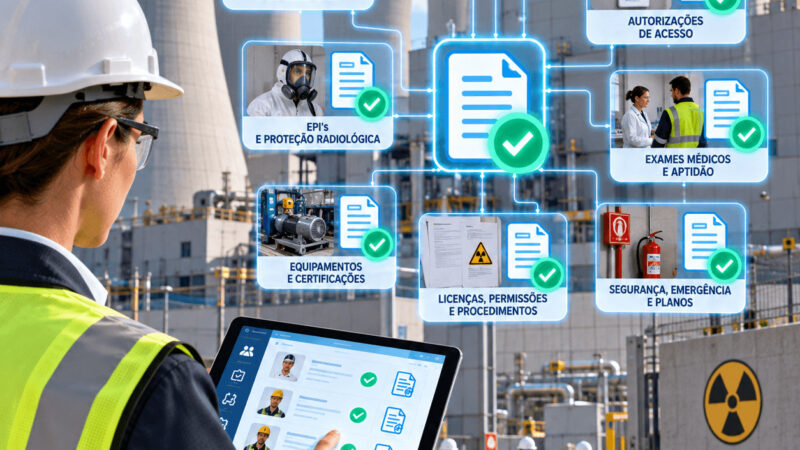
Find out why an underused HSE platform can produce misleading indicators and a false sense of control.

Discover the indicators that show whether teams have truly adopted an HSE platform in their daily work.

Find out why users go back to Excel after implementing an HSE platform and what needs this reveals.

Implementing an HSE platform is only the beginning. Find out how technical support ensures continuity, adoption and alignment with processes.
How AISP helps
AISP supports the transformation from the initial assessment through to operation: platform implementation, training and adoption. Technology provides the features. The AISP methodology, however, turns them into results.
Frequently asked questions
With an assessment of the current process: who does each task, with what information, and what decision results from it. You choose the tool afterwards.
When they solve specific problems, such as reducing validation time or preventing access by non-compliant workers. Automating a poorly designed process only speeds up the problem.
With role-based training focused on real tasks, and by monitoring usage. AISP provides free training to all users of the platforms it implements.
Show us how you work today. We will help you simplify the process before you digitise it.